
Yoga for PCOS and PCOD: what it can (and can’t) do
PCOS (often called PCOD in India) is common, and lifestyle care is a first step in managing it. Yoga can be a sustainable part of that care — not a cure, but a practice that supports stress, sleep, weight and wellbeing.
Reviewed by Veer Pratap Singh, Lead yoga trainer, YogOne · Updated 28 October 2026 · 5 min read
Where yoga fits
International PCOS guidelines recommend healthy eating and regular physical activity as part of care for everyone with PCOS. Yoga counts as activity, and its breathing and relaxation practices may also help with stress and sleep, which affect hormones and appetite. Keep working with your gynaecologist or endocrinologist — yoga supports treatment, it does not replace it.
What a good PCOS practice includes
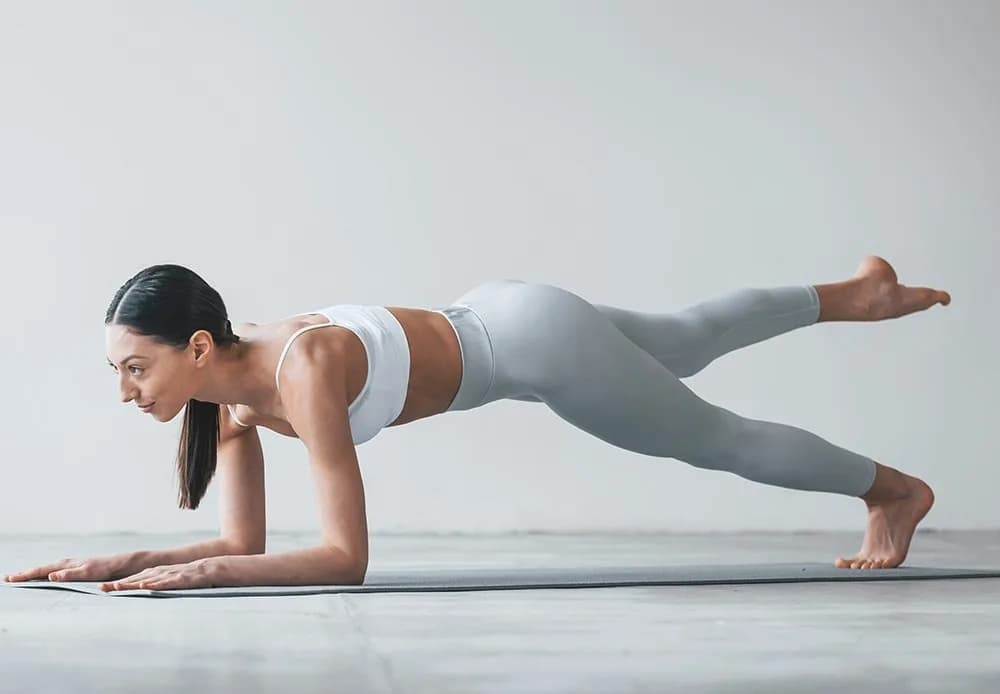
- Strength-based flows (squats, lunges, plank variations) to build muscle, which helps blood-sugar control.
- Hip and pelvic mobility.
- Breathing practices such as slow belly breathing and alternate-nostril breathing.
- A short relaxation (yoga nidra) to support sleep.
- A rhythm you can sustain: 3–5 sessions a week.
What to expect
Changes come gradually. Members often first notice better energy, sleep and mood; changes in weight and cycles, where they happen, take months of consistent practice alongside diet and medical care.
Talk it through with a YogOne expert
A free 30-minute consultation — we’ll understand your goals and health, then match you with a verified trainer at home or online.
Questions
Can yoga cure PCOS?
No. PCOS is managed, not cured. Yoga can support lifestyle care alongside medical treatment.
Should I avoid any poses?
Most poses are fine; your trainer will adapt the plan for any other conditions, such as thyroid problems, back pain or high blood pressure.
Sources
- International evidence-based guideline for PCOS (Monash University)
- WHO — Physical activity fact sheet
This guide is general information, not medical advice. Please speak to your doctor about your own health.